r-TMS ( Repetitive transcranial magnetic stimulation )

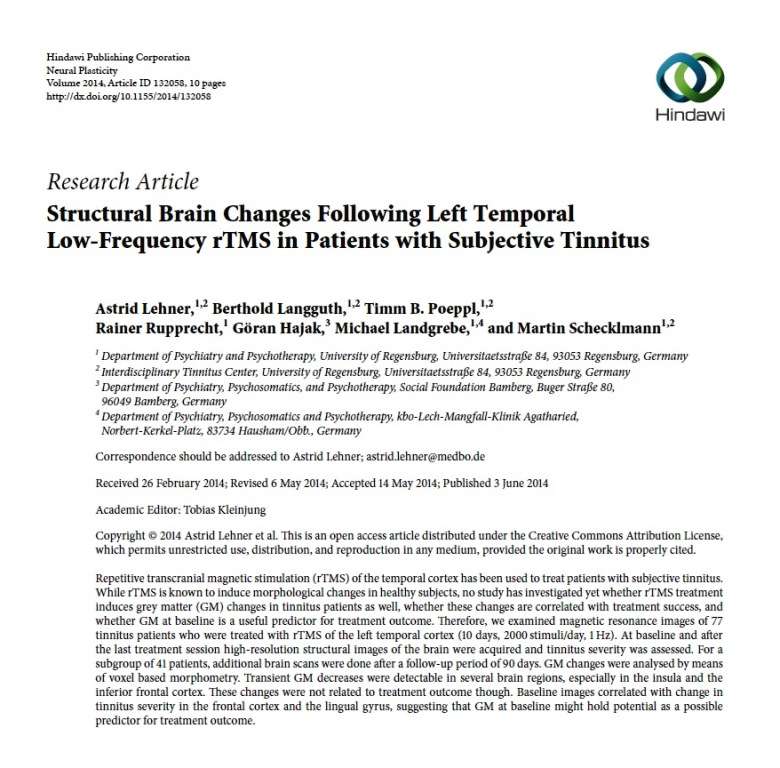
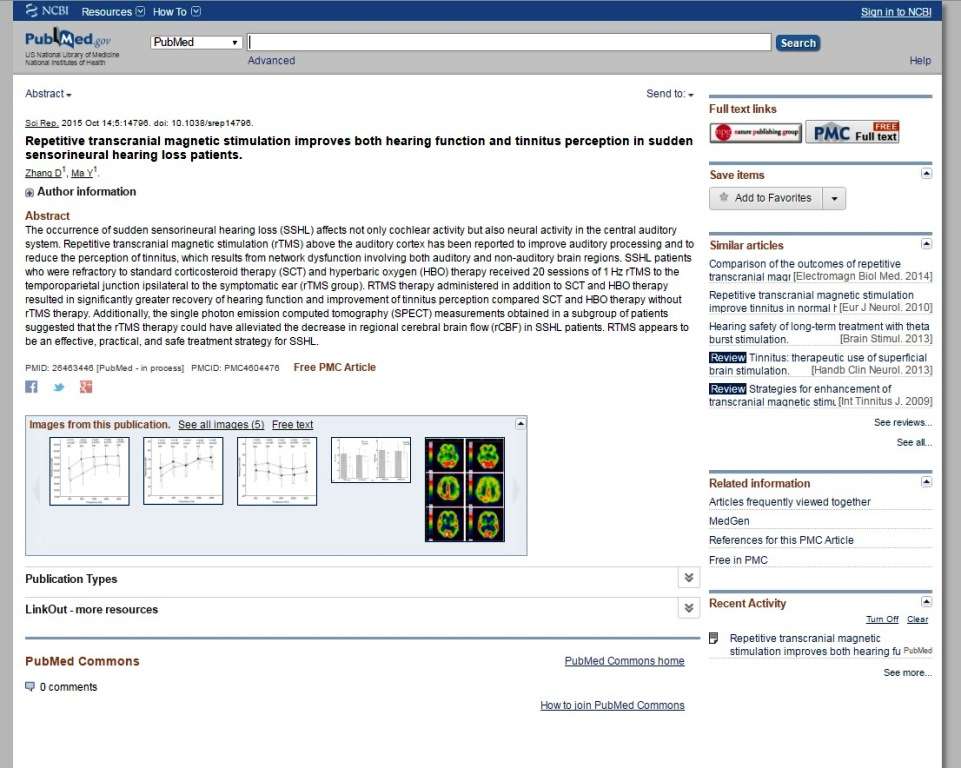
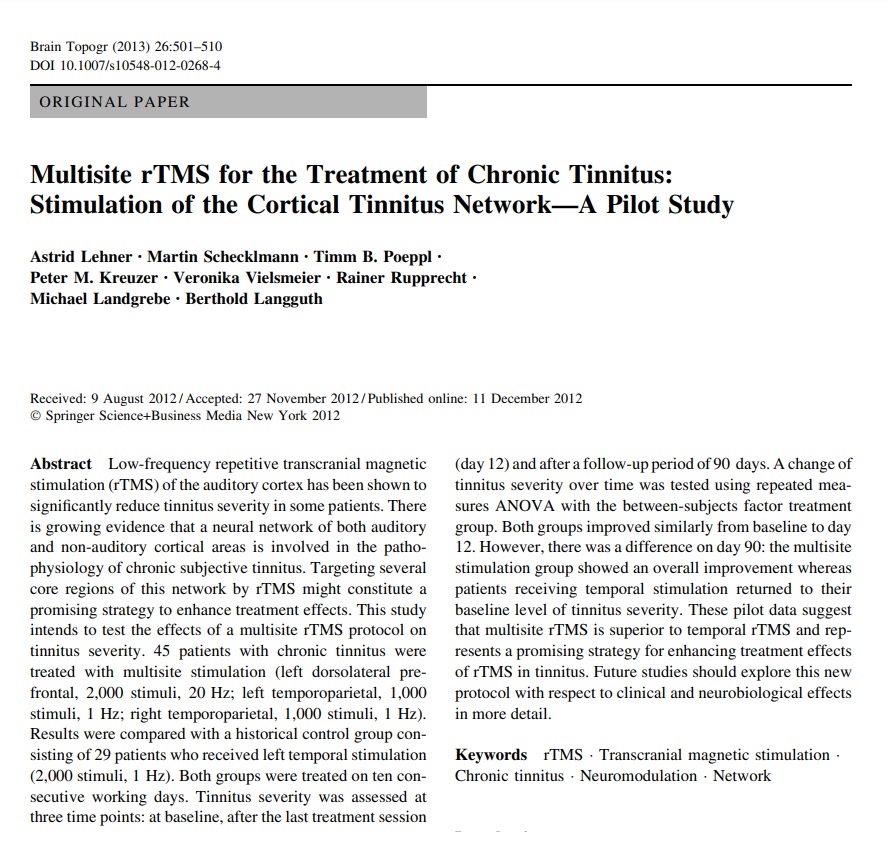
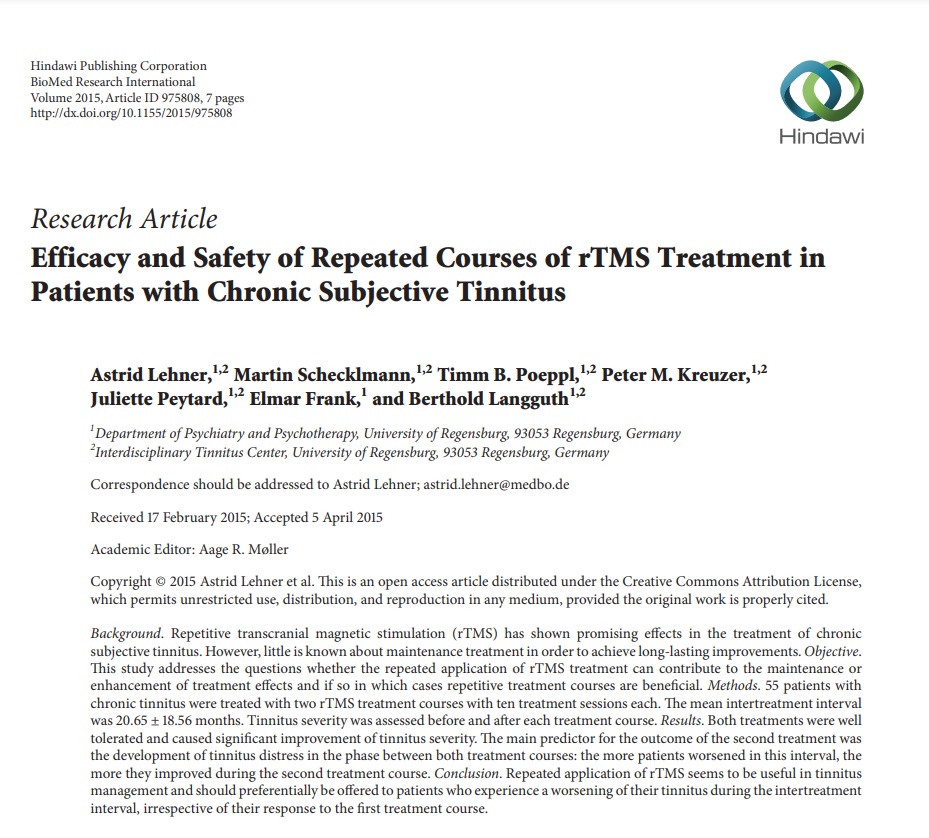
This is one of the newest treatment methods. This device has been widely used in prestigious medical schools around the world since 2011. New versions have been developed in the last two years, resulting in its final form. We have started using the new generation r-TMS device and have achieved successful results in tinnitus treatment. By 2025, it will be recognized in dozens of scientific studies and articles as a reliable, side-effect-free, and non-invasive method for tinnitus treatment. This application device is available in our clinic. It can achieve high success rates within our treatment range. Achieving high success in tinnitus treatments requires medical equipment and comprehensive studies that will help achieve success. Multiple treatment combinations play a significant role in success. Depending on the individual's symptoms, combined treatments with additional support and medication-based therapies, device applications, and other treatments can achieve results reaching 65-70%. However, it should be kept in mind that treatment success rates may vary depending on the individual's symptoms. Treatment failure is also possible; this rate can reach up to 35%. A 100% effective treatment is not yet available. It is important to pay attention to certain elements within the scope of prevention. These elements include: avoiding stress as much as possible, getting regular sleep, proper and regular nutrition, paying attention to certain factors to protect hearing health, not neglecting walking in daily life, and engaging in sports and meditation if possible. If the person has any systemic disease, it is recommended that they be under the control of the relevant specialist. This lifestyle will maintain the success obtained from tinnitus treatment. If these problems and additions continue in life, tinnitus flare-ups may occur, or these rates may decrease to 40-50% in the long term. In such cases, a second application is recommended in scientific articles. It is also reported that a second application one year after the first treatment can have a positive contribution to the treatments. Working principle; It is known that strong electromagnetic signals reduce impaired neural hyperactivity. Tinnitus is believed to be a function of hyperactivity in the neural cortex of the brain. Therefore, many researchers believe this signal can reduce the sensation and severity of tinnitus. Repetitive Transcranial Magnetic Stimulation (R-TMS) uses a powerful, non-invasive magnetic coil implanted in the skull to deliver electromagnetic vibrations to the underlying brain tissue. Treatment protocols, including coil placement, stimulation frequency, stimulation intensity, and patient care frequency, are crucial to ensuring the clinical effectiveness of r-TMS. Therefore, ensuring the procedure is performed correctly is very important.
.jpg)
.jpg)
.jpg)
.jpg)